The Branded Microdrama Boom: A New Niche for UGC Creators
Microdramas became an $11B market in 2025 and brands like Crocs and P&G now produce their own. Why the branded microdrama niche is built for UGC creators.
From curiosity to a multibillion-dollar industry
Something is happening on the small screen. The really small one, the one in your hand.
Vertical microdramas are scripted series shot in 9:16, with episodes of one to three minutes. They are now a serious global business, and the branded microdrama is the version that should interest every marketer. The format made roughly $11 billion in 2025. Analyst firm Omdia expects $14 billion in 2026 and over $22 billion by 2030.

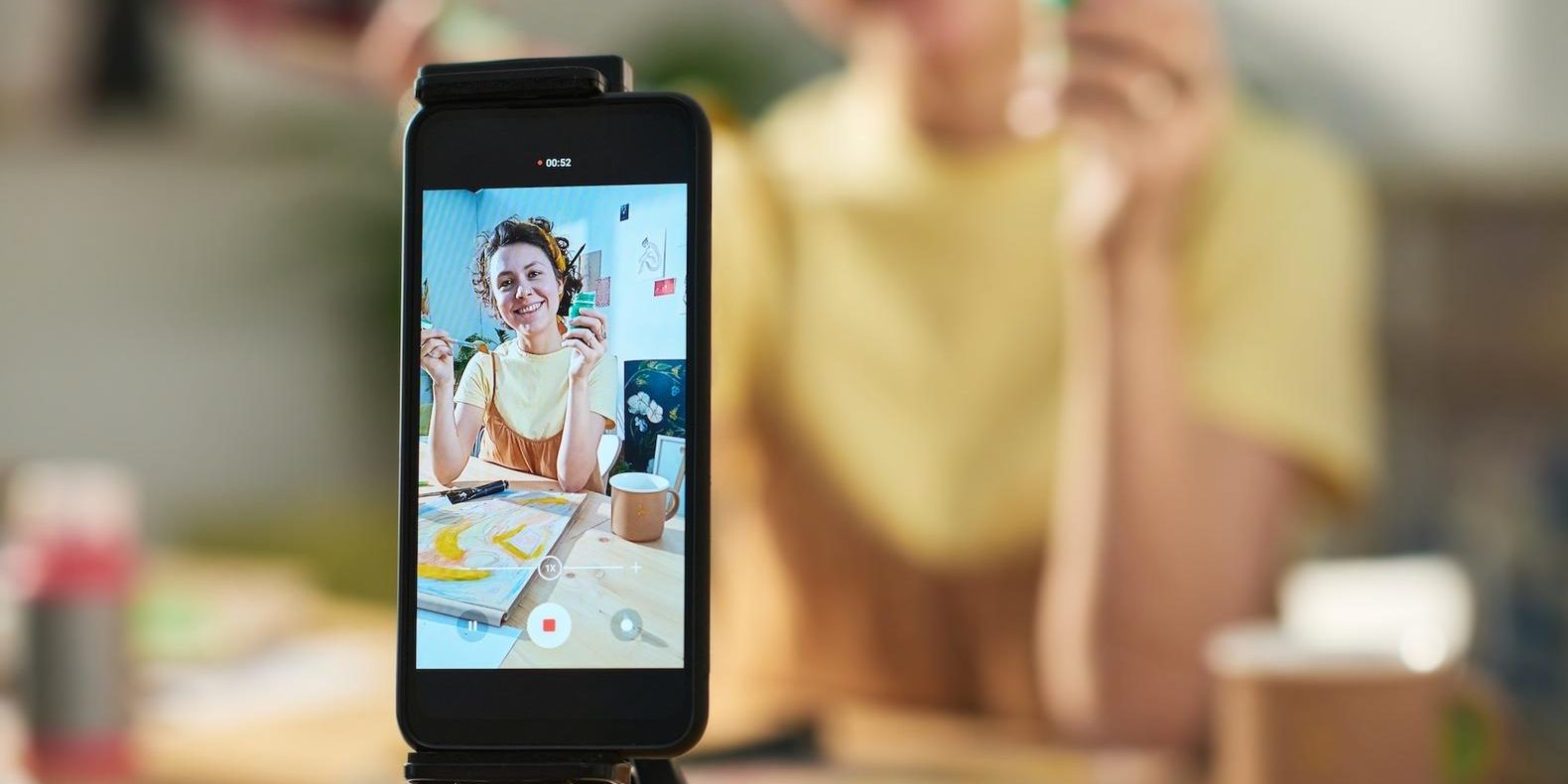
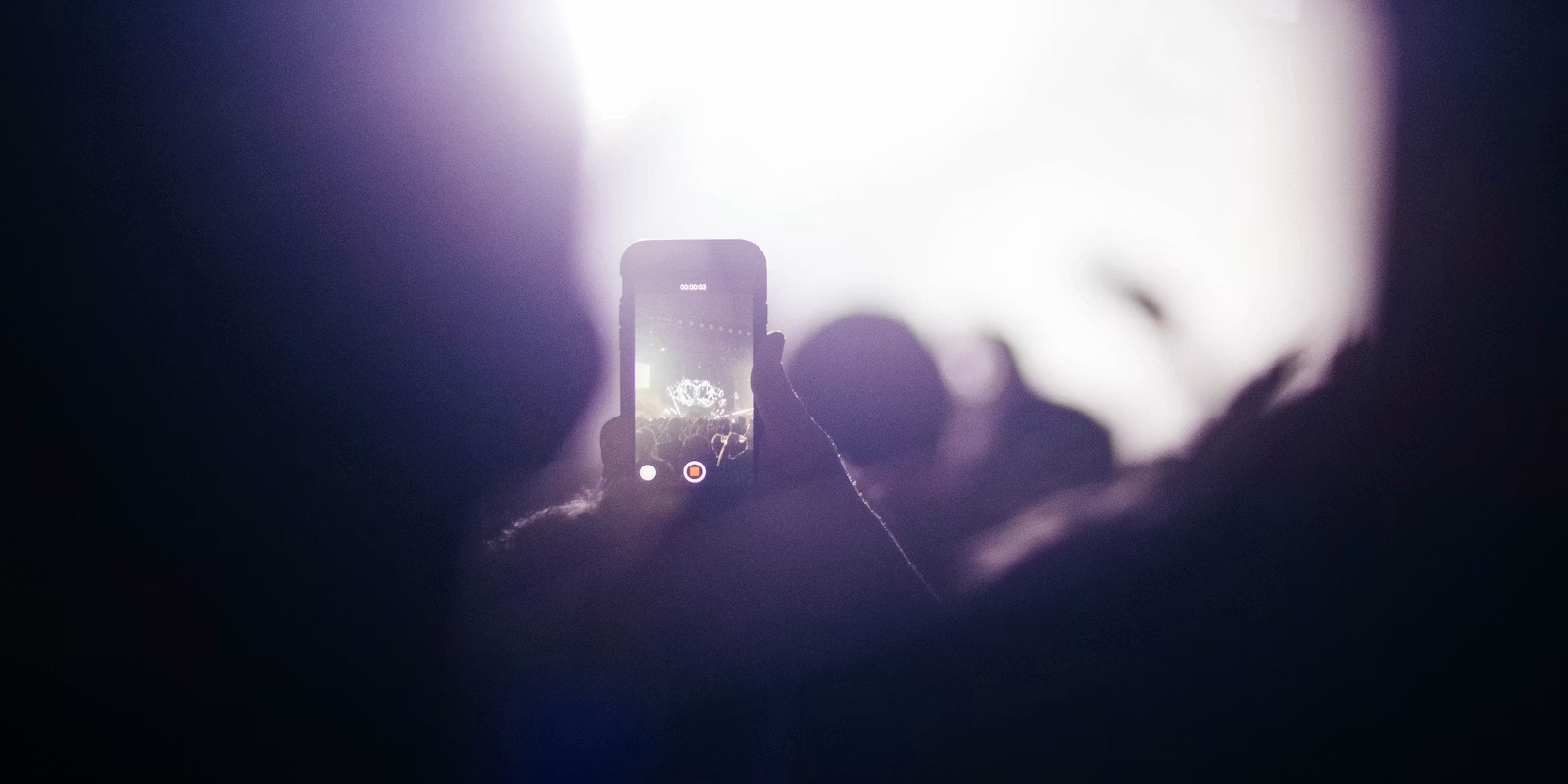
A full production, shot on a phone in 9:16. Photo by Roman Manshin on Unsplash.
China still dominates, with around 83% of global revenue. But the bigger story is where the growth goes next. In Latin America, downloads of short-drama apps grew 69%, reaching nearly 100 million. The region is not watching this trend anymore. It is becoming a market.
| Metric | Figure |
|---|---|
| Global microdrama revenue, 2025 | $11B |
| Projected market size, 2030 | $22B+ |
| Download growth in LATAM | +69% |
A new kind of studio is being born
The first wave was platforms. ReelShort built one of the leading apps in the space, reaching tens of millions of monthly users, most of them in the U.S. DramaBox proved the economics work outside China. It posted $323 million in revenue and $10 million in net profit in 2024, then pursued $100 million in new funding at roughly a $500 million valuation.
Then big media moved in. Fox Entertainment took an equity stake in the studio behind MyDrama and committed to more than 200 vertical titles. Hollywood players are openly racing to build "the Netflix of vertical video."
Even old-school TV networks are joining. Japan's Nippon TV launched a vertical unit handling original IP, end-to-end production, and brand marketing support. Vertical is not a side experiment anymore. It is its own production industry.
LATAM is waking up, in Spanish
This is where it gets relevant for us. The Spanish-language market is moving fast.
ViX, the Televisa-Univisión platform, launched ViX MicrO. It offers original vertical microdramas in Spanish, built for phones. In May 2026, Sony Pictures Television announced its first premium microdrama for Latin America: a 60-episode supernatural horror series in Spanish, shot vertically. In Brazil, Globo has launched its own originals with a pipeline planned through 2026.
The local scene is exploding from the bottom up too. In Argentina, Shorta launched in March 2026 as a Spanish-only platform for vertical series. It pitches itself as a mix of Netflix and TikTok. It already has over 40 microseries, with plans for Brazil, Mexico, Colombia, Spain and the U.S. Hispanic market.
Other Argentine studios are building polished vertical fiction. Many cast reality-TV faces to bridge traditional and mobile audiences. A massive content category is being built in neutral Spanish, for mobile, right now. The talent layer behind it is still being figured out.
Branded microdramas: brands are not sponsors, they are producers
Here is the shift every brand and agency should watch. Microdramas are not just a place to buy ads. Brands now produce their own.
Crocs launched a branded microdrama called "Charmed to Meet You". P&G's Native brand rolled out a 50-part "microsoap", reviving the company's soap-opera roots for a vertical, social-first world. Maybelline ran a multi-part holiday series with Netflix talent.
The case that says it all. Beauty brand Perfect Diary ran a 12-episode branded microdrama. According to the agency behind it, it drew 280 million views, a 67% completion rate, and an 8.3% conversion rate through promo codes placed across the series.
What makes this possible is cost. A traditional studio spot runs into the thousands and takes weeks. A branded microdrama keeps budgets lean, leans on unknown faces, and rewards authenticity over polish.
The whole format runs on one idea. A real, phone-native face beats a glossy production at stopping a thumb mid-scroll.
Authentic. Low-cost. Vertical-native. Built for the scroll. Doesn't need a famous face. That is not a description of a Hollywood production. It is a description of a UGC creator.
This is a UGC opportunity in disguise
The branded microdrama wave is creating huge demand for talent that already lives on platforms like ours. Look at what the format needs, next to what UGC creators already bring.
| What the format needs | What UGC creators already have |
|---|---|
| Vertical-first instincts (9:16, mobile) | They have never shot any other way |
| A hook in the first two seconds | The skill their whole feed is built on |
| Authenticity over studio polish | The entire reason brands hire them |
| Lean budgets, no famous-face premium | Built for performance, not celebrity rates |
| Neutral Spanish for a LATAM audience | Their native voice and market |
For creators, this is a chance to carve out a niche. The next step beyond a 30-second testimonial is a recurring character in a branded microdrama. Learning the grammar of the format — cliffhangers, episodic hooks, emotional payoffs — is becoming a skill brands will pay real money for.
For brands and agencies in LATAM, the message is simpler. You do not need a studio deal to enter this space. You need a roster of vertical-native creators who already speak the format, in the language your audience actually watches in.
The branded microdrama boom is a content explosion looking for a talent pipeline. The creators are already here, shooting vertical in Spanish, every day. The brands that connect those two things first will own the most-watched format of the next five years.
The format is here. The talent is already on CreatorPlace.
Whether you are producing a branded microdrama or scaling everyday UGC, match with creators who think in 9:16 and speak your audience's language.
Native Spanish-language workflow. Creators active in Argentina, Mexico, Colombia and the United States.
Ariel Reyes
CEO @Creatorplace