Sports UGC Campaigns: How US Creators Get Booked in 2026-27
NFL, NBA, MLB and March Madness give creators a year-round campaign calendar. Which brands buy sports UGC, what to pitch, and the trademark rules to know.

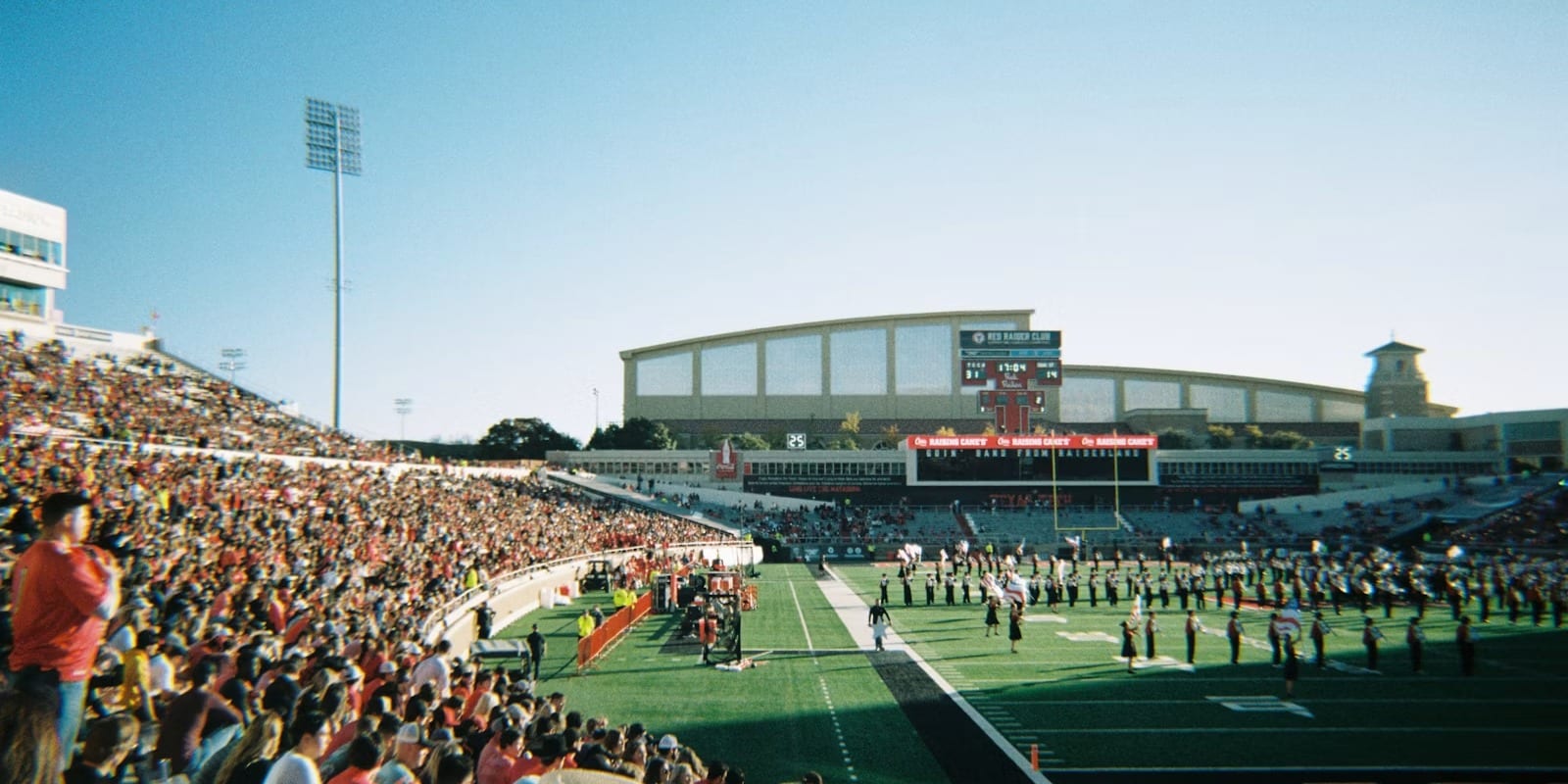
The short version. Sports UGC is the most reliable campaign window in the US market. Unlike a World Cup, the American calendar never stops: NFL, NBA, MLB and college run back to back all year. Brands need real content, fast, and most can't produce it in-house. Build a sports-focused portfolio before the season starts. Then pitch something concrete.
Sports UGC follows a pattern that repeats every single season. A big event pulls in millions of eyeballs. Behind that attention are brands with money to spend. They want real content that ships fast. And the window to reach them is short: days, not months.
Ten years ago the game was something you watched on a TV. Today it's something you watch and post about at the same time. Brands know it. That's why creator content stopped being a nice-to-have. It's the center of the campaign now.
And in the United States, that campaign never really ends.
Why brands buy sports UGC
Creator content performs differently than traditional advertising. Nielsen's Global Trust in Advertising study surveyed more than 28,000 people across 56 countries. 92% trust a recommendation from a friend or family member more than any form of advertising. And 70% trust consumer opinions posted online, even from complete strangers.
That second number is what holds sports UGC up. A review from a real person, on their own feed, sits one step below a friend. No commercial gets that close.

Every game is a room full of content. UGC gets shot fast, from a phone, from the stands. That's exactly what brands need during a season.
There's a deeper shift too. A lot of brands moved off big-name influencers and onto smaller creators. The reason is simple: the content looks more real and it costs less.
Three things explain why every season needs more creators than the last:
| Market shift | What it means for you |
|---|---|
| Vertical wins | The season gets followed on social. Brands are putting money into mobile-first content, not spots. |
| Less fame, more proximity | Brands pick smaller, credible creators. Better returns, lower cost. |
| Speed beats polish | A viral moment lasts hours. Whoever delivers fastest beats any production company. |
What the 2026 World Cup showed
The World Cup on home soil is a useful case study, because American brands just lived through it. It ran June 11 to July 19, 2026, across the US, Mexico and Canada. 48 teams, 104 matches, the longest edition ever. Spain beat Argentina 1-0 in the final at MetLife. More than a month of nonstop conversation.
That month left three patterns worth carrying into football season:
- Brands didn't wait to become sponsors. Most of the campaigns came from brands with no official rights at all. They joined the conversation anyway, on the back of creator content.
- Local businesses went uncovered. Bars, restaurants and sports pubs ran watch parties. They wanted content and had nobody to make it.
- Money moved late. A big chunk of budget got assigned once the tournament was already underway. That favors whoever already has a portfolio ready.
The takeaway. You don't need to be an official partner to work around a sports event. Most of the brands riding the moment pay zero rights fees. Which is exactly why they lean on creators.
The US calendar is the real opportunity
Here's what makes the American market different from a once-every-four-years tournament. There is no off-season. One league's championship overlaps with another league's opening night. That means the sports UGC window isn't a window at all — it's a rolling calendar you can plan a year of work around.
| Window | When | What's happening |
|---|---|---|
| NFL season | Sept 9, 2026 – Jan 10, 2027 | The biggest weekly attention block in the country. Gameday content every single week. |
| MLB postseason | Late Sept – late Oct 2026 | Regular season ends Sept 27, playoffs start Sept 29, World Series in late October. |
| NBA season | Oct 2026 – June 2027 | Tips off in October. Christmas Day is one of the year's biggest social days. |
| NFL playoffs + Super Bowl LXI | Jan 16 – Feb 14, 2027 | The single densest ad window of the year. Final at SoFi Stadium, on ABC and ESPN. |
| March Madness | March 16 – April 5, 2027 | Three weeks of brackets, upsets and office-pool content. Title game at Ford Field, Detroit. |
Two more on the horizon: the Women's World Cup in Brazil (June 24 – July 25, 2027) and the LA 2028 Olympics (July 14 – 30, 2028). The Olympics being on US soil is the big one. Multi-sport means far more brand categories in play than football alone.
Which brands hire sports UGC creators
These are the categories that move most in every US season.
Sportsbooks and fantasy apps
The most aggressive spenders in the category. They need constant, high-volume content around every slate of games, and they're always fighting for new users. Note that these campaigns come with heavy compliance requirements and age-gating rules that vary by state.
Food delivery and QSR
Wings, pizza, delivery apps. Gameday is their entire business model. Super Bowl Sunday alone drives a spike they plan for months ahead.
Beer, seltzer and beverages
Themed packaging, limited editions, tailgate content. They need real people drinking real drinks in real settings, not a studio setup.
Consumer tech and streaming
Phones, TVs, streaming services and payment apps push hard during major windows. They're buying new users.
Sports apparel and fan merch
Jerseys, hats, accessories. This stuff sells better on real people than on models. Always has.
Local bars and restaurants
The most underserved segment on the list. Every sports bar running a watch party wants content showing the atmosphere. Most have no one making it.
A US-specific catch: trademarks
This one matters and a lot of creators get it wrong. "Super Bowl" is a registered NFL trademark. So are team names, logos and most league marks. That's why non-sponsor brands say "the Big Game" instead.
If you're working with a brand that isn't an official partner, expect a brief that avoids league marks, team logos and broadcast footage entirely. It sounds limiting. It isn't. It's the reason they hired a creator in the first place: you can talk about the moment, the food, the friends, the reaction — everything except the protected marks. That's the whole product.
Follow the brand's legal guidance on this, and if a brief is vague about it, ask before you shoot.
How to land sports UGC campaigns
The opportunity doesn't come to you. Four steps that actually work.
1. Build a sports-focused portfolio
Pull your best pieces together. Add two or three sports-themed examples, even if you shoot them on your own. A brand decides in seconds whether your style fits. A themed portfolio makes it easy for them.
2. Pitch something concrete and fast
Don't offer "content." Offer something measurable: how many pieces per week, how many days to deliver, and whether you can react to what happens during the game. Speed is your strongest argument.
3. Go out and pitch
Don't wait for the call. Find brands and local businesses that are already active and send them a direct proposal. Plenty of small businesses want in and have nobody making their content.
4. Pick real over produced
What brands value about UGC is that it feels genuine. You're not competing with an agency. You're offering proximity, speed and a voice people believe.
Content ideas by phase
Every season has phases. Each one wants different content. Plan your offer by stage and you show up at the right moment.
| Stage | What brands want |
|---|---|
| Preseason | Hype, predictions, themed products, fan rituals, gear hauls. |
| Regular season | Gameday routines, watch parties, in-context reviews, weekly recurring formats. |
| Playoffs | Peak emotion, hometown pride, fast reaction pieces that ride viral moments. |
| Post-championship | Recaps, behind the scenes, content that stretches the conversation out. |
An underused edge. The conversation doesn't end at the final whistle. Wrap-up content faces way less competition. And it still serves brands trying to extend their presence. Offering that stretch opens doors too.
FAQ
How do I get sports UGC campaigns?
Build a portfolio with sports-themed pieces. Define a concrete, fast deliverable. Then pitch directly to brands and local businesses that are already active. Speed and authenticity are the whole pitch.
Which brands hire sports UGC creators in the US?
The most active are sportsbooks and fantasy apps, food delivery and QSR, beverages, consumer tech and streaming, sports apparel, and local bars and restaurants running watch parties. None of them need to be official sponsors.
Do I need to be an official sponsor to make content about a game?
No. Most brands riding the conversation pay no rights fees. But you do need to stay off protected trademarks and league marks. Work from the brand's legal guidance.
Can I say "Super Bowl" in branded content?
Not unless the brand is an official NFL partner. It's a registered trademark, which is why advertisers say "the Big Game." Same logic applies to team names and logos.
Why do brands prefer UGC over advertising?
Trust and cost. Nielsen measured that 70% of people trust consumer opinions posted online. That's higher than any paid format. And producing UGC costs a fraction of what a spot costs.
When should I start pitching?
Two to three months before the season or event. That's when a lot of budgets get locked. That said, a chunk keeps moving once things are already underway.
Bottom line
American sports pull attention, money and urgency into the same place, over and over, all year long. Those are the three ingredients you need to close campaigns. Brands want real content, made by real people, delivered fast and built for social. That's sports UGC. Whoever has the portfolio ready and goes out to pitch takes the window.
Ariel Reyes
CEO @CreatorPlace